
Delay Spray Ingredients Explained
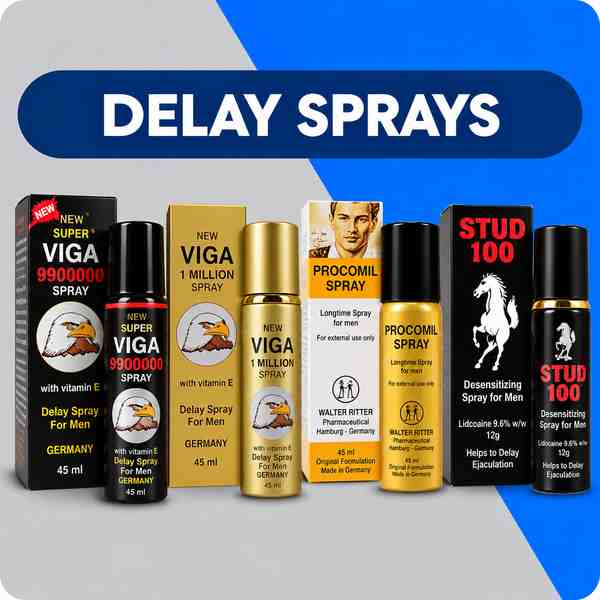
Turn over almost any delay spray box and you’ll find a short ingredients list. Most of it is there to carry the active ingredient, but knowing what each part does helps you choose a product and use it safely. This guide covers the ingredients you are most likely to see.
Ingredients differ between brands and even between batches of the same product, so treat the label on your own pack as the final word.
The active ingredient: a local anaesthetic
The ingredient that actually delays climax in most sprays and creams is a local anaesthetic. It works by temporarily reducing the signals from nerve endings in the skin, so you feel slightly less sensation.
Lidocaine (lignocaine)
Lidocaine is the most widely used active ingredient in delay sprays. It is the same type of anaesthetic used by dentists and in many skin-numbing products. “Lignocaine” is simply another name for the same substance. Strength varies by product, so compare the percentage on the label when switching brands.
Benzocaine
Benzocaine is used in some delay products, more often in wipes and condoms than in sprays. It works in a similar way. Allergic reactions are more common with benzocaine than with lidocaine, so if you’ve reacted to one before, check which one your product contains.
Prilocaine
Some products use prilocaine, sometimes combined with lidocaine. It’s another local anaesthetic with a similar effect.
Supporting ingredients
- Alcohol (ethanol): helps the spray dry quickly. It can sting on sensitive or broken skin.
- Water: the base of many water-based sprays.
- Propylene glycol or glycerin: keep the formula smooth and help it spread.
- Menthol or peppermint oil: create a cooling feeling. Some people like it; others find it irritating.
- Plant extracts and vitamins: ginseng, vitamin E and herbal extracts appear on some labels. They may help the product feel more pleasant on the skin, but they aren’t what produces the delay effect.
Ingredients and claims to be careful about
Be cautious of any product that promises results such as enlargement, “permanent” improvement or guaranteed times. A topical spray can’t do these things. Big numbers in a product name, such as 50000 or 1 million, are part of the brand name and don’t tell you the strength. The percentage of active ingredient on the label is the useful figure.
Using ingredients to choose a product
- If you are new to delay sprays, start with a familiar lidocaine-based product and a low number of sprays.
- If you have sensitive skin, avoid products with strong menthol or high alcohol content.
- If you have reacted to a numbing product before, don’t use a product containing the same ingredient, and ask a pharmacist for advice.
Our product pages list the ingredient details we have for each item. Browse the delay spray range to compare, and read how to use a delay spray before trying one for the first time.
This article is general information, not medical advice. Speak to a doctor or pharmacist if you have allergies, a skin condition or any health concern.